Table of Contents
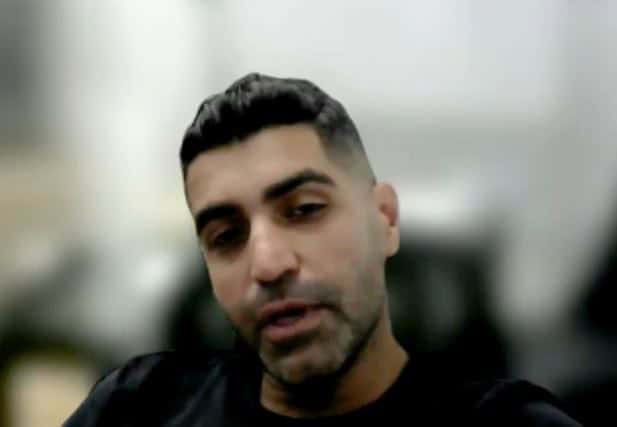
Andrew Aziz joins for a straight-talking YouTube interview on what really matters in today’s market. He’s a full-time day trader, bestselling trading author, and the founder of a large online trading community. Why he matters: Andrew has traded through the post-pandemic boom and the choppy bear that followed, and he’s blunt about what changes when volatility spikes, headlines drive tape, and retail traders try to keep up.



In this piece, you’ll learn Andrew Aziz’s core strategy beliefs: adapt your setups to the market regime, size down and manage risk first, avoid the leverage traps, and treat trading like a real business—not a hobby. You’ll also get his practical fixes for overtrading, performance anxiety, and losing streaks, plus why community and mentorship accelerate your edge. The goal: give you a simple, durable framework you can start applying to your very next trade.


















Andrew Aziz Playbook & Strategy: How He Actually Trades
Market Regime First: Pick the Right Playbook
Before Andrew Aziz hunts setups, he classifies the day: trending, range-bound, or news-driven. This keeps him from forcing trades that don’t fit the tape. When the regime is clear, execution becomes mechanical.
- Define the day by 9:45–10:00 ET using SPY trend, breadth, and VIX; trade trend setups only if SPY holds above/below VWAP.
- If the first 15–30 minutes are choppy (multiple VWAP flips), shift to mean-reversion or stand down.
- On major catalysts (CPI, FOMC, earnings), reduce size on the open and wait for the first clean trend pullback or 5-minute range break.
Pre-Market Prep: Build a Tight Focus List
Aziz starts with a small list of “in play” tickers—earnings, fresh news, or unusually high relative volume. This ensures liquidity, cleaner levels, and better follow-through.
- Scan for stocks with relative volume ≥2.0 by 9:25 ET and premarket range ≥1.5% of price.
- Prioritize names with clean premarket structure (clear high/low, minimal wickiness) and tight spreads (<2 cents for mid-caps).
- Mark premarket high/low, previous day high/low, and daily levels that align with ATR targets.
- Limit to 2–4 tickers max; if nothing is clean, trade only the index proxy or sit out.
Setup 1: Opening Range Breakout (1-min & 5-min ORB)
This is Aziz’s hallmark open trade when the market trends early. The idea: let the opening bar establish a range, then go with the break in the direction of momentum.

- Long trigger: break of the 1-min or 5-min opening bar high with time-and-sales confirming upticks; short is the opposite.
- Only take ORB if the price is above/below the premarket level confluence and holding above/below VWAP.
- Risk = distance from entry to opening bar midpoint (1-min) or bar low/high (5-min); cap per-trade risk at 1R.
- No ORB if the opening bar is >1.5× average 1-min range (expanded risk) or wick >60% of bar.
- First profit at +1R, second at +2R, then trail below 9/20EMA on the 1-min (or a structure pivot).
Setup 2: VWAP Trend Continuation
When the open noise fades and a trend matures, Aziz rides pullbacks to VWAP or 9/20EMA. It’s simple, repeatable, and works best on “in-play” tickers.
- Enter on first or second pullback to VWAP/9EMA after a clean trend leg that moved ≥0.5 ATR.
- Require decreasing pullback volume and a higher low (for longs) or lower high (for shorts).
- Stop goes a few cents beyond the swing pivot or below/above VWAP; size for 1R max.
- Take partials into prior high/low of day, then hold a runner to ATR target or the next daily level.
Setup 3: Reversal at Exhaustion (Five-Minute Confirmation)
If a name extends far from VWAP/EMAs with climactic volume and a failed breakout, Aziz looks for a controlled reversal. Confirmation keeps him out of early knife-catches.
- Wait for a five-minute candle that breaks the prior extreme but closes back inside range (failed drive).
- Enter on the first lower high (short) or higher low (long) with L2/T&S showing stall.
- Stop just outside the exhaustion wick; first target is VWAP tap, then half-gap or daily level.
- Skip the setup if the broader market is strongly trending against your reversal.
Risk First: Sizing, Stops, and Daily Guardrails
Aziz treats risk as a fixed input, not an afterthought. A consistent “R” and clear daily limits protect him from the bad days that erase weeks.
- Use a fixed dollar risk per trade (e.g., 1R = $200); adjust share size to fit the stop distance.
- Hard stop on the chart; mental stops are not allowed around the open.
- Daily max loss = 3R; hit it and you stop trading for the day.
- If the first two trades are both losers, cut risk to 0.5R for the next setup or stand down until a high-quality A+ pattern appears.
Execution: Hotkeys, Speed, and Clean Fills
Fast markets demand pre-programmed actions. Aziz uses hotkeys to eliminate hesitation and partial out efficiently.
- Map hotkeys for: buy/sell at market, buy/sell at bid/ask, stop order at defined price, and partial exits (25%/50%).
- Use limit orders near liquidity; avoid chasing more than 3–5 cents on mid-caps at the open.
- Pre-define partials (e.g., 25% at +1R, 25% at prior HOD/LOD, 25% at +2R, 25% trail) to avoid emotional decisions.
Trade Management: Partials, Trails, and “One More Push”
Aziz scales out to lock progress while keeping a runner for trend days. He avoids turning winners into losers by letting the chart, not hope, dictate the exit.
- Take the first partial quickly at +1R on open trades to de-risk; move stop to breakeven only after structure confirms.
- Trail beneath higher lows (or above lower highs) rather than a fixed dollar stop once +2R is hit.
- If extension hits ≥1 ATR without a proper pullback, expect a snapback—tighten the trail rather than adding.
- Never add to a losing day trade; only add on a higher low/lower high with risk contained to the original 1R.
Playbook Filters: A+ Only
Not every green light is tradable. Aziz filters aggressively, so his best ideas get his best size.
- Trade only when 3+ factors align: in-play RVOL, clean levels, market confirmation, and cooperative spreads.
- Skip tickers with overlapping nearby resistance/support that compress R: R below 1.5:1.
- If slippage consistently exceeds 20% of planned risk on the open, switch to mid-morning entries.
Psychology: Rules Over Feelings
Aziz leans on rules to tame adrenaline, especially in the first 15 minutes. The goal is a calm, repeatable process.
- Pre-commit to the first 30 minutes plan (ORB or wait); no off-plan gambles.
- Use a two-strike rule for tilt: two rule breaks = stop for the day.
- After a big win, reduce the size on the next trade to avoid “free money” syndrome.
Journal & Metrics: Turn Trades into Data
He tracks what actually pays: ticker type, time of day, setup, and R-multiple outcomes. The stats reveal where to double down and what to cut.
- Log every trade with setup tag (e.g., “1m ORB,” “VWAP Pullback,” “Reversal 5m”).
- Review weekly: hit rate, avg R per setup, worst drawdown day; cut the bottom 10% setups for a month.
- Screenshot entries/exits and annotate whether the trigger was A, B, or C quality; size up only on A setups that show edge over 30+ samples.
News & Catalyst Tactics
Catalysts create clean trends—but also traps. Aziz uses them with structure, not hype.
- On earnings plays, favor continuation after the first retrace rather than the first break; initial moves often fake.
- If SSR (short-sale restriction) is active, avoid chasing shorts; wait for pops to moving averages for entry.
- Reduce size on FOMC/CPI until post-release structure stabilizes (two candles holding a direction).
Building the Account: Leverage and Drawdown Controls
Survival funds growth. Aziz scales responsibly and protects the equity curve from deep dents.
- Increase risk per trade only after two consecutive green weeks and max drawdown <3R over that span.
- If equity draws down ≥10R from peak, cut per-trade risk by 50% until you reclaim half the drawdown.
- Keep overnight positions out of the day-trading account unless they are planned swing setups with separate risk limits.
Daily Routine: From Bell to Bell
Consistency beats intensity. The routine keeps decision fatigue low and execution crisp.
- 9:00–9:20 ET: prep focus list, levels, catalyst notes; 9:20–9:29: visualize entries/exits for each scenario.
- 9:30–9:45: ORB window; 10:00–11:00: VWAP trend/pullback window; avoid low-liquidity mid-day unless A+.
- 15 minutes after close: journal trades, tag setups, and plan improvements for tomorrow.
Size Risk First: Fixed R, daily loss cap, partials with purpose
Andrew Aziz treats risk like a fixed bill you pay before you trade, not after. He defines one R in dollars, sizes shares to the chart stop, and refuses to move that stop once the trade is live. This makes every setup comparable and keeps emotions out of the sizing decision. If the opening volatility is wild, he keeps R constant and widens stops only if the position size is reduced to match.
He also uses a daily loss cap to protect the week, shutting it down the moment the limit is hit. Paritals aren’t random; Andrew Aziz scales out at planned levels—first to de-risk, then to pay the day, and finally to trail a runner only if structure supports it. After two losers, he halves R or waits for an A+ setup to regain rhythm. The result is simple math: consistent sizing, controlled downside, and exits that serve the plan—not the ego.
Trade What’s In Play: Relative volume, clean levels, catalyst-driven moves
Andrew Aziz keeps a tight morning list built around relative volume and fresh catalysts, not random tickers. He focuses on names with RVOL above two, tight spreads, and clean premarket structure, so the levels actually matter. If a stock isn’t “in play” with news or earnings, he skips it—even if the chart looks pretty—because follow-through beats aesthetics. Marking the premarket high/low and yesterday’s levels gives him ready-made triggers and targets once the bell rings.
When catalysts hit, Andrew Aziz lets the first push reveal real interest, then looks for the pullback to VWAP or the first 5-minute range break. He avoids sloppy symbols with overlapping levels that crush risk/reward and trims the list to two to four tickers max. If nothing meets the standard, he simply stands down or trades the index proxy rather than forcing ideas. This discipline keeps him aligned with liquidity, momentum, and the path of least resistance.
Opening Range Breakout Done Right: qualify VWAP, wick, momentum confirmation
Andrew Aziz treats the ORB as a qualified break, not a blind chase. He wants price aligned with VWAP, an opening bar that isn’t absurdly large, and wicks that don’t scream indecision. If the first minute is too wide or whippy, he defaults to the 5-minute range to tame noise. Time-and-sales must show upticks (for longs) and speed; if momentum isn’t obvious, there’s no trade.
Risk is defined by the bar structure—below the opening bar low for longs, above the high for shorts—and share size is calculated to keep 1R constant. Andrew Aziz takes the first partial quickly at +1R to de-risk, then targets the prior high/low of the day or an ATR milestone. Stops do not move unless structure justifies a trail beneath higher lows (or above lower highs). He skips ORBs on overlapping levels, SSR shorts that require chasing, or when SPY is flipping VWAP and killing follow-through.
Ride Trends With VWAP Pullbacks: partial early, trail structure not hope
Andrew Aziz rides trends by buying the first or second pullback to VWAP or the 9/20 EMA after a clean impulse. He wants decreasing pullback volume, a higher low for longs (lower high for shorts), and price holding above/below VWAP to confirm control. Entry goes near the reclaim candle; the stop sits a few cents below the pivot (or above it for shorts), so 1R stays consistent. He avoids third or fourth pullbacks—the edge decays as the trend ages.
Once in, Andrew Aziz pays himself early: the first partial at +1R takes pressure off the trade, the next into the prior high/low of the day, and a runner aims for ATR or the next daily level. The stop trails under swing lows (or over swing highs) only after structure proves itself—never because “it feels right.” If the extension goes parabolic, he tightens the trail rather than adding; blow-offs snap back hard. No adds on losers, no averaging down—just clean structure, planned partials, and a rule-based trail.
Process Over Prediction: rules, routines, journal metrics drive consistency
Andrew Aziz doesn’t try to outguess the next candle; he builds repeatable days. He starts with a written plan, tags each trade by setup, and follows pre-defined execution rules so the open doesn’t knock him off center. If a rule gets broken—late chase, moved stop, revenge entry—he flags it immediately and cuts size for the next trade. The goal is simple: make today look like yesterday’s best process, not a fresh experiment.
Andrew Aziz then turns the process into numbers. He tracks hit rate, average R, slippage, and time-of-day performance for each setup so he knows where his real edge lives. Low-performing patterns get benched for a month; high-performing ones get priority and, eventually, more size. After big wins or losses, he applies a reset routine—smaller risk, one A+ setup only—to avoid emotional drift. Consistency isn’t prediction; it’s rules, routine, and data steering the next decision.
Andrew Aziz’s core message lands hard: treat trading like a real business with fixed costs, defined risk, and strict operating rules. He keeps one R constant, sizes shares to the chart stop, and uses a firm daily loss cap so a bad morning never snowballs into a bad month. If performance drifts or market conditions change, he prunes his trade book down—often to the first one to two hours when volatility is clean—and stops forcing mid-day scalps that don’t statistically pay. When results lag the market for too long, he doesn’t rationalize; he pauses, reviews, and resets.
He builds edges where liquidity and catalysts create follow-through, then executes with simple structures: qualified opening range breaks, trend pullbacks, precise stops, and planned partials. Process beats prediction—so he journals setups, tags outcomes in R, and benches low-value patterns. Psychology isn’t an afterthought: after rule breaks or a tilt day, he cuts size or stands down, and he leans on coaching and routine to keep emotions from steering the wheel. Above all, Andrew Aziz treats consistency as a lifestyle choice—protecting health, guarding energy, and using trading’s freedom deliberately—because a sustainable operator is the one still compounding when the hype cycles fade.